_edited.png)
Exploring the Elegance of Japanese Tea Culture


Japanese tea culture is more than just brewing a warm drink—it’s a reflection of harmony, mindfulness, and centuries of tradition. Rooted in Zen Buddhism and refined over generations, the way tea is prepared, served, and enjoyed in Japan reveals a deep respect for nature, simplicity, and connection.
At the heart of this tradition is the Japanese tea ceremony (茶道, sadō or chadō), an art form that transforms tea-making into a meditative ritual. Every motion—from cleaning the utensils to whisking the matcha—is carried out with purpose and grace. Guests are not just drinking tea; they are participating in a moment of stillness and appreciation.
Matcha, finely ground green tea powder, is central to the ceremony. Served in handcrafted bowls (chawan) using a bamboo whisk (chasen), matcha offers a rich, umami flavor and a vibrant green color that symbolize renewal and vitality. It can be enjoyed both hot and cold—traditional hot matcha soothes the spirit, while iced matcha brings refreshing calm in warmer months.
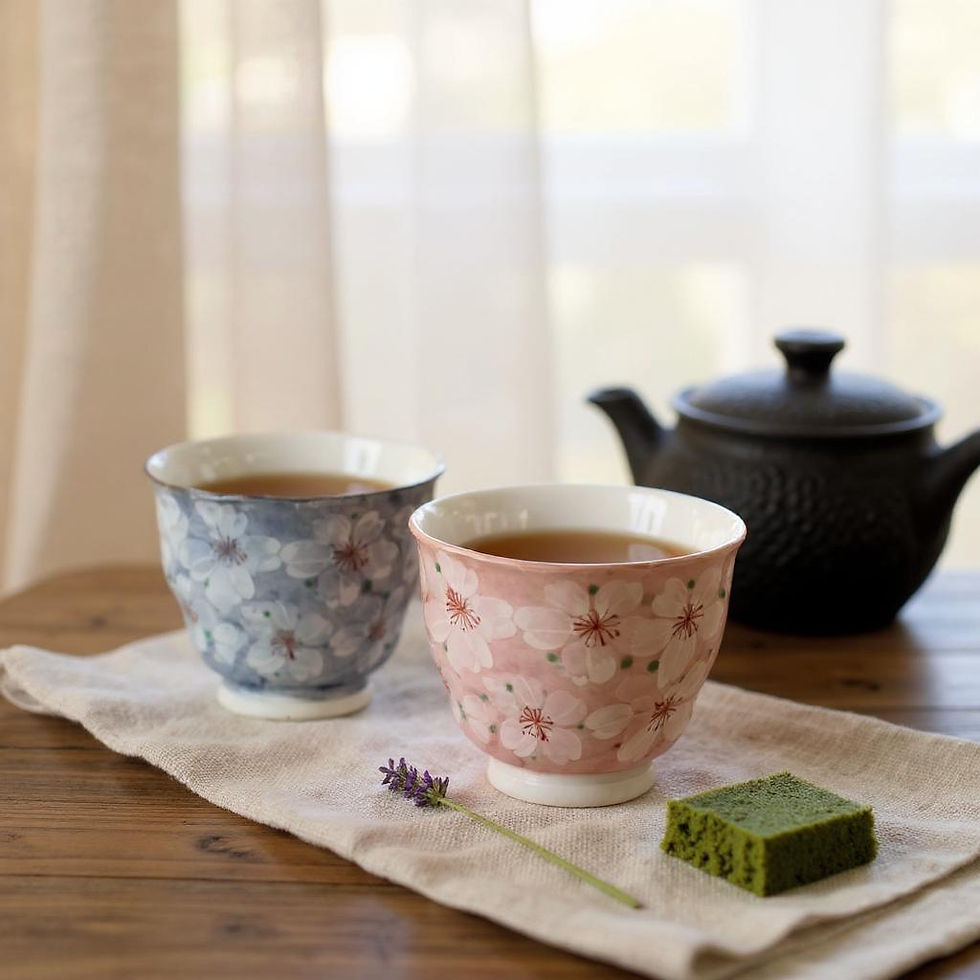
Beyond the formal ceremony, tea is woven into daily life in Japan. You’ll find sencha, genmaicha, and hojicha served at home, in restaurants, and in offices—each offering distinct aromas and health benefits. Sharing tea is a gesture of hospitality and respect, whether with friends, family, or new acquaintances.
Japanese tea culture also embraces craftsmanship—from the ceramic vessels and bamboo tools to the art of growing and grinding tea leaves. It is a celebration of imperfection, seasonal beauty, and the simple joy of being present.
To drink Japanese tea is to slow down, to savor, and to connect. It’s not just about the flavor—it’s about the experience.


Comments